

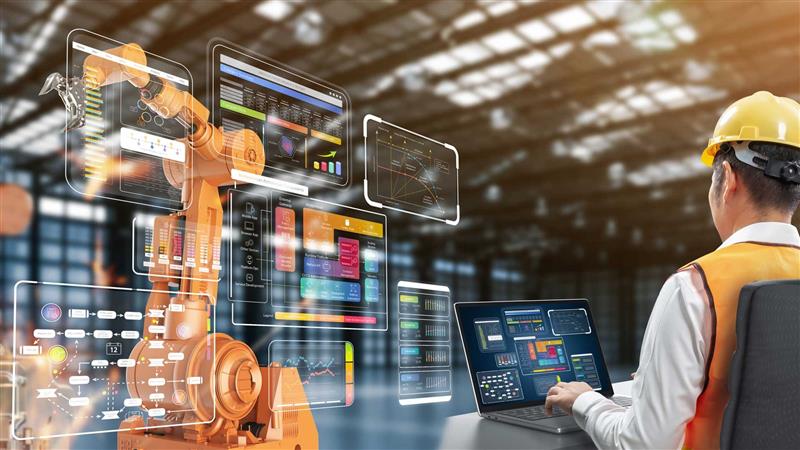

- Disconnected ERP and MES systems lead to production delays, inventory errors, and compliance risks
- Cloud modernization enables real-time data sharing between planning and plant-floor systems
- Integrated systems improve scheduling accuracy, inventory visibility, and operational agility
- API-driven architecture, middleware, and cloud infrastructure reduce silos without disrupting operations
- A phased, cloud-first modernization approach minimizes downtime and supports scalable growth
When ERP (Enterprise Resource Planning) and MES (Manufacturing Execution Systems) systems are disconnected, production slows down or, even worse, operations shut down.
For modern manufacturers transitioning to digital systems, knowing how to integrate these two systems is crucial for operational efficiency and business agility. Without proper integration, organizations risk inventory errors, production delays, compliance issues, and other problems affecting production workflows.
In this guide, we help manufacturers understand why ERP and MES integration matter and how cloud modernization in manufacturing supports such integration.
What is ERP and MES integration in manufacturing?
In manufacturing, ERP and MES integration is the process of connecting enterprise planning systems with manufacturing execution systems so they share consistent, real-time data across manufacturing operations.
When both systems are integrated, planning decisions are based on actual production conditions and accurate performance data, resulting in more reliable outcomes that bring business value.
When done right, ERP-MES cloud integration ensures that manufacturers can coordinate production efficiently, manage inventory accurately, and get real-time insights for well-timed operational decisions.
- ERP manages orders, inventory, finance, procurement, and production planning.
- MES manages production execution, quality checks, work-in-progress, and machine-level activity.
- Integration synchronizes data so scheduling, inventory, and production remain accurate across systems.
The shared data layer in cloud ERP MES is essential for the success of manufacturing digital transformation and smart factory initiatives.
Why is ERP–MES integration critical for modern manufacturers?
ERP-MES cloud integration is critical for modern manufacturers because it connects planning and plant-floor execution in real-time. This enables manufacturers to operate with speed and efficiency throughout the entire production lifecycle.
Modern manufacturing relies on accuracy, speed, and automation across planning and production. Without ERP-MES cloud integration, there is no real-time coordination between the plant floor and enterprise planning. Manufacturers face data silos, increased manual re-entry, delayed reporting, and other challenges that result in:
- Inaccurate production schedules
- Delayed inventory updates
- Limited traceability for compliance and recalls
- Poor visibility across multi-plant operations
- Myopic operational insight
Poor integration, along with rigid architectures, within operational systems is often why more than 70% of ERP initiatives fail to fully meet business goals, according to Gartner Insights. In manufacturing environments, the risk is even higher when ERP and MES operate in silos.
How does Cloud Modernization enable ERP–MES integration?
Cloud modernization creates a secure, always-on connection between ERP and MES so both systems can share data automatically and in real time.
For example, when a machine goes down, MES automatically updates the system, and ERP immediately adjusts schedules and inventory plans. This level of real-time coordination is what cloud modernization brings.
How does cloud infrastructure improve ERP and MES connectivity?
Cloud infrastructure improves ERP and MES connectivity using APIs, middleware, and real-time data pipelines—without disrupting plant operations.
Key cloud capabilities that enable ERP-MES cloud integration include:
- API-driven integration between legacy and modern platforms
- Real-time data synchronization across systems
- Scalable architecture that supports multi-site manufacturing environments
- Built-in security, governance, and disaster recovery that protect operational data
Together, these capabilities turn disconnected systems into a unified operation that makes sure manufacturing companies can adapt quickly to change or scale with ease.
How does cloud modernization affect security and governance?
Cloud modernization strengthens security and governance across integrated manufacturing systems. Cloud-based solutions support this by embedding identity governance, data protection, and threat detection into the architecture:
- Microsoft Entra ID enables centralized identity management and conditional/role-based access control
- Microsoft Purview allows data classification, governance, and compliance
- Microsoft Defender provides threat protection across connected systems and workloads
- Microsoft Copilot surfaces insights from ERP-MES data to assist operations and planning teams
What are the business benefits of cloud-based ERP–MES integration?
ERP-MES cloud integration helps manufacturers run their businesses more effectively by aligning enterprise planning with real production conditions.
When managers see what’s actually happening on the factory floor, they can fix problems immediately and make decisions based on real-time data—not on outdated assumptions or unfounded guesses. Doing this leads to less production downtime and more quality products shipped on schedule.
Ultimately, cloud ERP-MES in manufacturing strengthens the bottom line.
With a unified view of production performance and supply chain readiness, manufacturers gain these key business benefits:
- Real-time visibility into production status and inventory levels
- Improved forecasting and demand planning
- Faster root-cause analysis and quality reporting
- Reduced downtime due to tedious manual processes and avoidable production delays
- Greater agility when scaling operations or undertaking plant expansions or acquisitions
What does a cloud ERP–MES integration architecture look like?
Cloud ERP-MES integration architecture shows how all the digital systems in a factory work together. At the center, ERP and MES systems coordinate planning and production. Around them are other tools and devices that feed data into the system and help managers make smart decisions.
What systems are typically included in a manufacturing integration stack?
The cloud-based integration layer of a modern manufacturing architecture typically connects the following systems:
- ERP (SAP, Oracle, Microsoft Dynamics) for managing orders, inventory, finance, and planning
- MES (Rockwell, Siemens, AVEVA) for tracking production, machine activity, and quality
- Cloud integration platform (iPaaS, middleware) for automating data flows across systems
- IoT and OT data sources that provide real-time operational data
- Analytics and reporting tools that turn raw data into actionable insights
These systems allow manufacturers to see the full picture of their operations and plan proactively so that the factory floor runs like a well-oiled machine.
How do all these systems work together when ERP and MES are integrated?
When ERP and MES are integrated, all the manufacturing systems in the factory communicate through an integration layer. This data layer uses iPaaS, event streaming, API gateways, and other tools to move data automatically in real time. Event-driven architecture updates relevant systems instantly, meaning schedules and inventory plans can also be adjusted automatically.
Governance and monitoring sit across these layers—making sure that data is accurate, secure, and compliant.
This integration architecture keeps factory operations running smoothly, even when there are multiple plants in different regions.
How can manufacturers modernize ERP and MES without disrupting production?
Manufacturers can use a phased, cloud-first approach to modernize ERP and MES without disrupting production.
Rather than replacing all systems at once, they can integrate systems gradually while keeping operations running. By modernizing in stages, manufacturers reduce risks and maximize efficiency gains, without costly disruptions.
To apply some of the best practices for zero-downtime modernization, manufacturers can:
- Start with read-only data integrations to test data flows without affecting live operations
- Pilot in a single plant or production line before scaling across all facilities
- Use hybrid cloud models to connect legacy systems and cloud platforms safely
- Establish governance and security protocols early to protect sensitive data and ensure compliance
It’s important to note, however, that modernizing systems requires specialized knowledge and skills. When untrained and unequipped teams attempt modernization, even the smallest mistakes can lead to data loss, downtime, and other issues.
In fact, McKinsey Insights shows that only 10% of cloud transformations achieve their full intended value when organizations rely on lift-and-shift approaches instead of modernized structures. However, when architecture and integration are done right, organizations can see efficiency gains of up to 25%.
Working with professional partners can help prevent failed integration efforts. Experts on cloud modernization, such as Claro Enterprise Solutions, can help manufacturers modernize ERP and MES without plant downtime and costly errors.
How do you know if your manufacturing environment is cloud-ready?
The only way to determine cloud-readiness is through careful evaluation. Before integrating ERP and MES systems, manufacturers must evaluate both technical and operational factors to minimize risks.
Among the areas you have to access are:
- Data quality and consistency across ERP, MES, and OT systems
- Latency and real-time requirements
- OT and legacy system constraints
- Identity and access models for users, devices, and applications
- Compliance and regulatory requirements for manufacturing data
A cloud readiness checklist can help you identify gaps early and guide the effective implementation of your phased modernization roadmap.
You can download the Cloud Readiness Assessment Checklist for Manufacturers to evaluate your environment before modernization. Cloud and cyber security experts, such as Claro Enterprise Solutions, can help assess readiness and plan a phased modernization approach for safe and secure manufacturing digital transformation.
If you are unfamiliar with how to integrate ERP and MES systems, consider getting comprehensive services from experts on cloud modernization.
Building a connected manufacturing environment
Cloud modernization creates value only when done properly. Jumping in without preparation can lead to integration errors, operational disruptions, or missed efficiency gains. These are issues that impact business growth, reputation, and success.
With the right preparation, manufacturers can build a connected environment where ERP and MES integration enables real-time manufacturing intelligence. Claro Enterprise Solutions can help set the right foundation for AI, automation, and smart factory initiatives that would allow manufacturers to unlock the full value of cloud modernization.
.png)
Frequently Asked Questions
Is ERP–MES integration only for large manufacturers?
No. ERP-MES integration benefits companies of all sizes. Even small manufacturers benefit from the real-time visibility, inventory accuracy, and operational efficiency that integration brings. They may even enjoy faster ROI if their processes are simpler and easier to coordinate.
Can legacy MES systems integrate with cloud ERP platforms?
Yes. Legacy systems can be connected to cloud platforms using APIs, middleware, or hybrid solutions. Integrating these systems protects existing infrastructure while maximizing value from cloud-based systems.
How long does ERP–MES cloud integration take?
There’s no fixed timeline for cloud integration because multiple factors, such as plant size, system complexity, and cloud readiness, can all affect the integration workflow. Small pilots may take just a few weeks, while full rollouts in multiple sites can take several months.
Insights
Stay up to date on pivotal trends in information technology that are set to define the future of business. Subscribe to our blog today!

.jpg)
.png)

.png)


.jpg)

Our Core Capabilities

INFRASTRUCTURE
& CONNECTIVITY
connectivity and cloud.
.svg)

SECURITY

DIGITAL INNOVATION
& HYPER-AUTOMATION

INTELLIGENT
INSIGHTS & AI

TALENT
EXTENSION
