

.png)

- Peak seasons sharply increase cyber risk under operational strain
- Attackers exploit stretched IT teams, temporary access, and legacy systems
- Ransomware, phishing, API abuse, and fraud surge when uptime is critical
- Learning from past attacks strengthens defenses before the next peak
The logistics industry is cyclical. Some months are lean, while others see a surge in demand. During these peak seasons, carriers handle heightened shipment volume – and with it come challenges in operations and cyber security.
Today, more software systems and digital touchpoints are integrated into logistical processes. Carriers are thus exposed to cyber threats when peak season pressures are at their highest. The increased shipment volume can strain IT resources and make logistic systems vulnerable to misconfigurations and human error, which attackers take advantage of.
In this article, we talk about why peak season creates elevated cyber risk for carriers, the most common attacks observed, and what organizations can do to strengthen defenses.
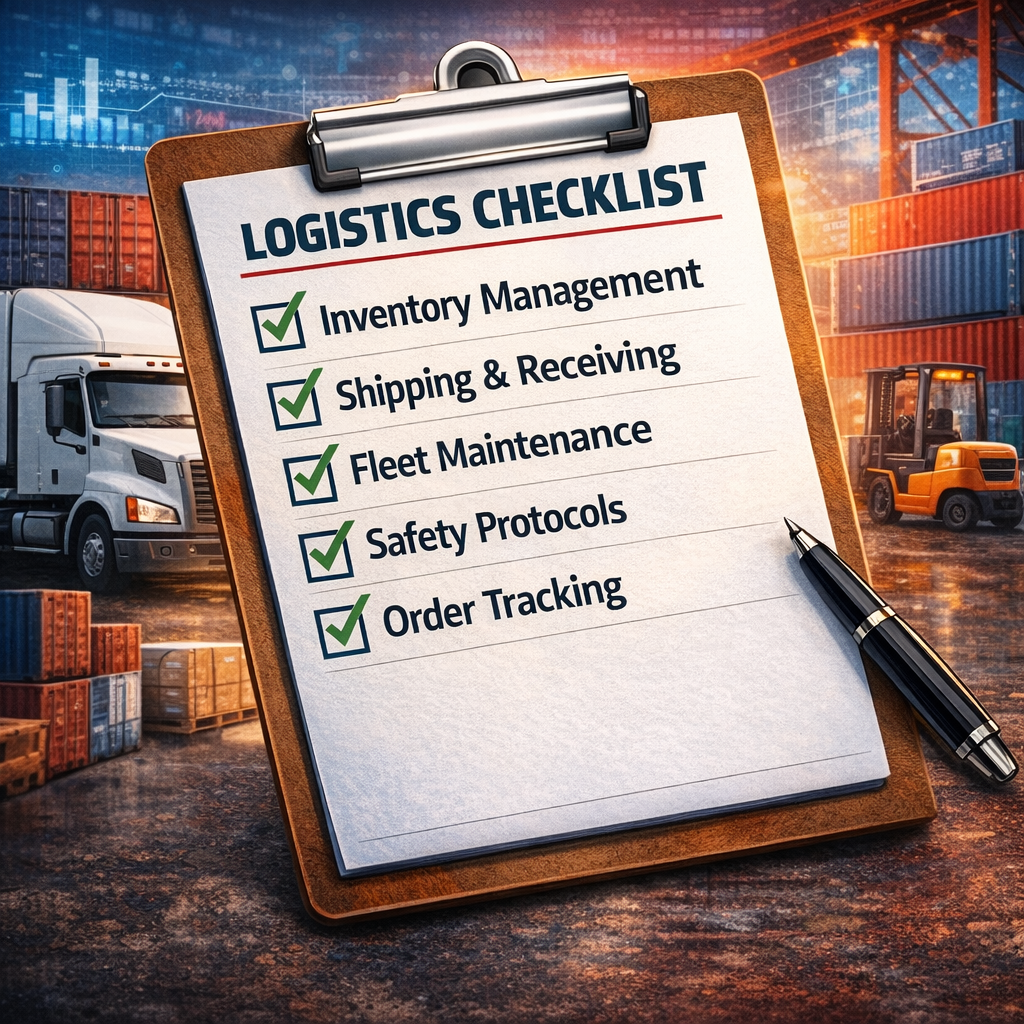
Why are carriers at higher risk of cyberattacks during peak season?
During peak season, the logistics industry operates under intense pressure to meet tight delivery windows, customer expectations, and contractual obligations.
This exposes carriers to cyber threats for several reasons, including:
- Operational overload. Systems and teams operate at maximum capacity and under extreme time pressure. This leaves very little time for security reviews or patching, especially when internal IT teams are lean.
- Temporary workers and expanded access. Most shipping carriers and logistics providers take in additional staff to handle the extra volume during peak season. The USPS, for example, has hired 14,000 seasonal employees for this quarter. This seasonal staff often requires rapid provisioning of accounts, increasing the risk of over-permissioned access.
- Legacy OT/IT systems under strain. Older operational systems not designed with modern security can struggle under intensified load and relentless cyber-attacks.
- Increased customer touchpoints. Digital touchpoints now include multiple channels, such as mobile apps, chatbots, e-commerce platforms, social media, and IoT devices. These require more API connections and partner integrations – all opening more potential entry points for attackers.
- Higher financial stakes for uptime. For carriers and logistics providers, downtime means costly delays, penalties, and lost clients. The potential financial and reputational losses that an attack might bring make them prime targets for ransomware.
All these conditions create an ideal environment for cyber-attacks to succeed.
What were the most common attacks targeting carriers this peak season?
The tactics used in peak season attacks are varied, but most incidents target identity, availability, and trust across integrated and interconnected systems.
Ransomware attacks on transportation networks
When operational disruptions and shipping delays lead to devastating losses and even bankruptcy, cyber attackers know that many carriers are more likely to pay ransom when their systems are hacked. Often, they employ double extortion tactics, encrypting data and threatening public release. According to an NMFTA report, Ransomware-as-a-Service operations continue to pose great risks to the transportation sector, attacking hundreds of companies and costing them millions of dollars in losses.
Phishing and social engineering targeting dispatch & customer service
With generative AI tools, attackers can now easily impersonate legitimate companies and trick customers into providing sensitive information. Spoofing major carriers, double brokering, and other identity-based scams are on the rise. Complaints about double brokering, in particular, have surged by 400% in the past three years. Once attackers gain access to the system, they can manipulate shipment routing, alter load documentation, or initiate fraudulent payment requests.
API & integration exploits across carrier ecosystems
Carriers rely on electronic data interchange (EDI) and API connections between brokers, shippers, and partners – integrations that expand the attack surface. Misconfigured APIs can allow unauthorized access to routing data, shipment tracking systems, rate engines, or broker portals. Attackers exploit these more frequently during high-volume periods when they are less likely to trigger alerts.
Fraud & identity-based attacks
Freight fraud spikes alongside peak season volume. During busy periods, manual verification is often lax, making it easier for scammers to use fake carrier profiles or hijacked credentials to schedule fraudulent pickups or divert shipments to unauthorized locations.
Attacks targeting IoT, telematics & connected fleets
IoT devices and telematics systems use GPS data, fleet management platforms, and connected devices, which attackers exploit through spoofing, data theft, or system disruption. As connected fleet technologies expand, these endpoints are increasingly viewed as high-value attack surfaces.
Which carrier systems and processes were most impacted?
Several key systems bore the brunt of peak-season attacks, including:
- Transportation Management Systems
- WMS and yard management systems
- Driver mobile apps
- Billing and freight audit systems
- OT systems at hubs, docks, and distribution centers
Operational impacts included shipment delays, misrouting, manual workarounds, SLA violations, and cascading disruptions across partner ecosystems.
What did attackers exploit—and why did defenses fail?
The primary impact of these exploits is on data. But, beyond that, everything else is affected. Workflows are disrupted, deliveries misrouted, and manual workarounds forcibly implemented.
During peak seasons, attackers target predictable weaknesses:
- Unpatched systems that were overlooked when maintenance schedules were interrupted.
- Misconfigured cloud environments due to the rapid deployment of APIs and cloud tools.
- Weak MFA enforcement that allowed credential abuse.
- Over-permissioned seasonal accounts where temporary employees retained broad access.
- Lack of 24/7 monitoring during high-volume periods when security teams were stretched thin.
- Overlooked IoT/telemetry security where many connected devices lacked basic protections.
What lessons should carriers take into the next peak season?
New shipping trends show that peak seasons are shifting. This year, instead of the typical last-quarter surge, shippers saw rolling peaks moving throughout the year, as noted by Clarion Shipping. This means demand will surge more unpredictably, and any security weaknesses will open systems to threats year-round.
To prepare for this scenario, carriers must address the weaknesses mentioned above. Some of the steps you can take include:
- Impose earlier preparation cycles. NOW is the best time to bolster cyber security systems, not right before peak season.
- Harden APIs before volume spikes by securing integrations and enforcing least privilege.
- Ensure proper seasonal workforce access governance. Reduce access sprawl through unified management.
- Reduce attack surface by consolidating tools and simplifying cyber-physical environments for minimal exposure.
- Implement AI-driven monitoring for real-time anomaly detection using Claro MDR+.
- Strengthen recovery and business continuity plans through AI-enhanced vulnerability management.
What security investments will have the biggest impact?
Investments that focus on mitigating AI-driven threats, operationalizing Zero Trust architecture, and implementing proactive security management would best prepare carriers for more sophisticated attacks including hyper-realistic identity-based scams and quantum threats.
AI-powered threat detection & managed SOC
Detecting attack patterns during high volume can strain a lean internal IT team. A managed SOC, whose sole focus is to protect your systems, ensures expert monitoring and real-time anomaly detection. Investing in these services would give you 24/7 visibility on abnormal behavior, even during spikes in activity.
Zero Trust for carrier ecosystems & integrations
Zero Trust endpoint solutions can thwart phishing and deepfakes. Continuous verification and least-privilege access can reduce risks from compromised accounts, APIs, and third-party systems.
Vulnerability Management & pre-season hardening
Proactive scanning helps close gaps before attackers can exploit them. Get security solutions that include vulnerability management, remediation cycles, IoT patching, and dependency mapping.
Incident response planning & tabletop exercises
Empower your staff with knowledge and skills to prevent and respond to cyber threats through managed security awareness training. During lean periods, schedule workshops and tabletop exercises where they can practice decision-making on simulated peak-season workloads. Train them how to use IRP playbooks under pressure.
How carriers can strengthen defenses before next peak season
For logistics providers, the last weeks of the year are consistently intense, but cycles are now changing. Peak seasons are becoming unpredictable as events and promotions get spread throughout the year. This means more risks throughout the year, not just in the last quarter.
When high-volume periods become erratic, cyber risks are further amplified. Now, it’s all the more important for carriers and logistics companies to proactively plan and modernize their cyber defenses. Building a resilient operation now will ensure that any surge will be far less disruptive to business operations and continuity.
Contact us to learn how Claro can help.
Insights
Stay up to date on pivotal trends in information technology that are set to define the future of business. Subscribe to our blog today!

.jpg)
.png)

.png)




Our Core Capabilities

INFRASTRUCTURE
& CONNECTIVITY
connectivity and cloud.
.svg)

SECURITY

DIGITAL INNOVATION
& HYPER-AUTOMATION

INTELLIGENT
INSIGHTS & AI

TALENT
EXTENSION
