

Why AI readiness matters on the factory floor
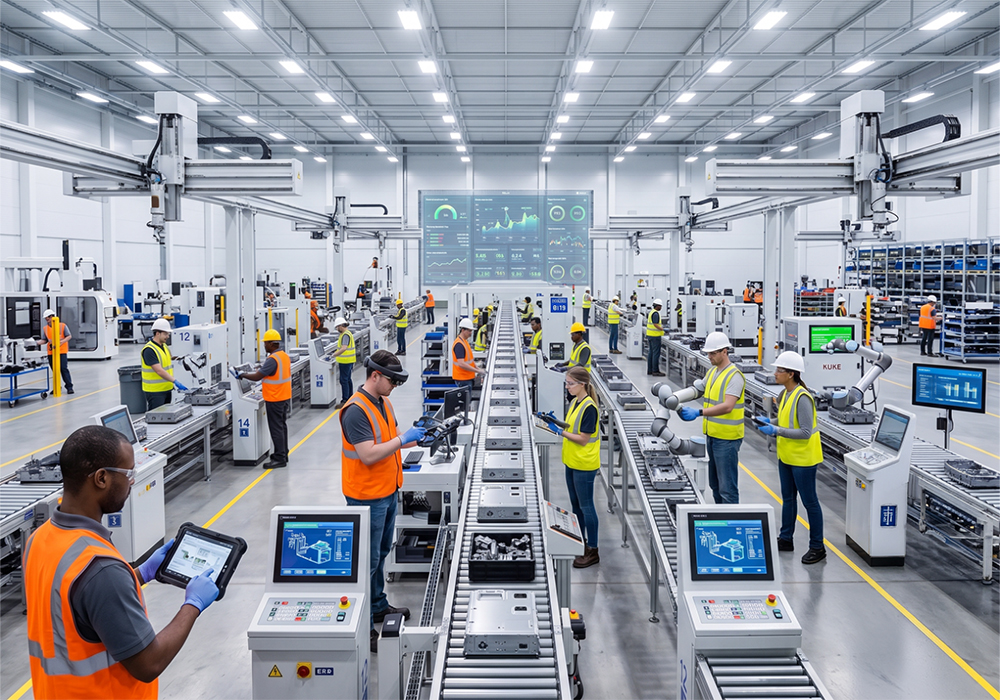

The smarter the factory becomes, the more there is to protect.
Manufacturers are investing in connected technologies to improve productivity and efficiency. But greater connectivity can also expose critical operations to new risks.
That tradeoff has executives’ attention. A recent study found that 65% of manufacturing executives rank operational risk as a first- or second-priority concern when pursuing smart manufacturing initiatives.
But the goal isn’t to slow modernization. It’s to make sure the environment is ready for what comes next.
A good use case isn't enough
Consider predictive maintenance.
Using equipment data to identify potential failures can reduce unplanned downtime and make maintenance more proactive. The business case can be compelling.
But implementing AI may require connecting equipment that was previously isolated. According to CISA, the shift toward smart manufacturing, including increased use of AI, networked devices and IT-to-OT connections,can expand or change the cybersecurity attack surface.
The AI itself may not be the biggest challenge.
Manufacturers need to understand these dependencies before committing to an initiative. That means looking beyond potential value and determining whether the use case is practical within the current environment.
Start with readiness, not technology
A strong AI strategy starts with understanding what is already in place.
Is the data ready?
AI depends on reliable information. Manufacturers need to know whether the necessary data exists, whether it can be accessed, and whether its quality is sufficient for the intended use case.
Is the process ready?
Automation cannot fix a poorly designed process. Before introducing technology, organizations should identify inefficiencies and determine where automation can produce a meaningful improvement.
Is the technology ready?
New capabilities have to work within the existing environment. That includes understanding integration requirements and whether legacy systems can support the proposed change without creating unnecessary risk.
Is the organization ready?
Successful implementation also requires clear ownership. Teams need to understand how the technology will be governed, adopted, and measured.
Together, these questions help manufacturers distinguish an attractive AI idea from one that is actually ready to move forward.
Not every high-value opportunity should come first
Manufacturers rarely struggle to find potential uses for AI. The challenge is deciding where to start.
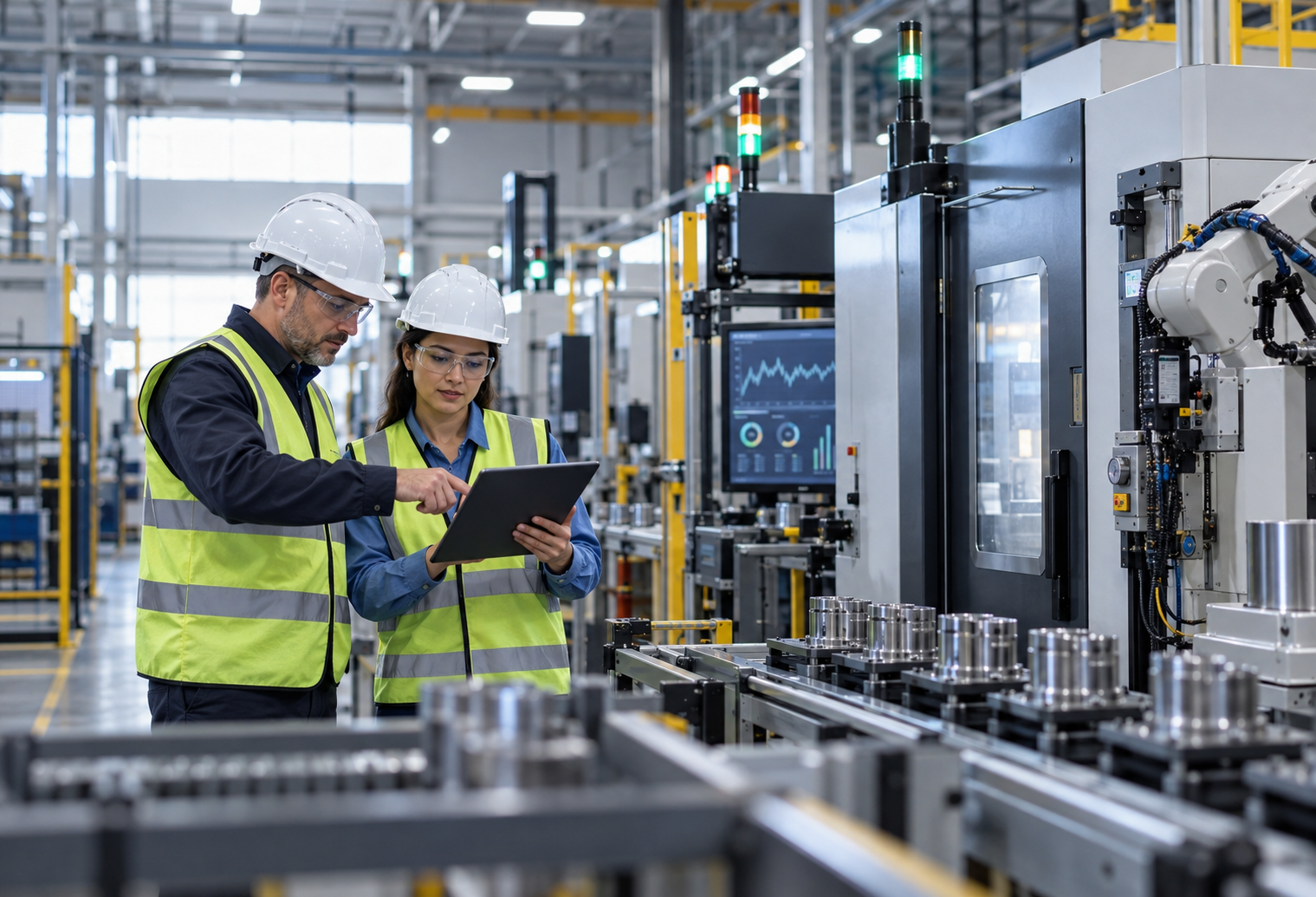
That decision should account for both business value and feasibility.
Predictive maintenance, for example, may offer significant value but require extensive work across the OT environment. Another automation opportunity may be easier to implement because the necessary systems and data are already available.
The biggest opportunity on paper isn't always the best first investment.
Evaluating opportunities against readiness and expected impact creates a clearer sequence for investment. It can also expose foundational work before implementation begins.
That might mean improving data quality. It could require an integration to be addressed or a process to be redesigned. Identifying those requirements early reduces the likelihood of discovering them after significant time and money have already been committed.
Turn AI opportunities into an executable roadmap
This approach is at the center of AI & Automation Discovery.
Rather than starting with a predetermined technology, the discovery process begins with the business. It identifies potential AI and automation opportunities and evaluates whether the organization is positioned to execute them successfully.
Data, processes, technology, and organizational readiness are assessed against the requirements of each use case. Opportunities can then be prioritized based on their expected value and feasibility.
The result is a vendor-neutral roadmap that answers three practical questions:
What should we pursue? What needs to happen first? What value should we expect?
For manufacturers, those answers are especially important.
Production cannot simply stop while teams work through unexpected technology dependencies. Uptime and operational continuity remain critical throughout modernization.
Discovery helps surface those dependencies before implementation, when there is still time to address them deliberately.
Modernize with intention
Manufacturers will continue investing in smarter operations. The competitive advantage, however, will not come from adopting the most AI.
It will come from making better decisions about where AI belongs.
That means choosing opportunities with a clear business case. It means understanding what the environment can support. And it means addressing dependencies before they become implementation problems.
AI & Automation Discovery provides the structure to make those decisions before investment turns into execution.
In manufacturing, that preparation matters. The best AI strategy isn't the one with the longest list of use cases.
It's the one the business is ready to execute.
.png)
FAQ
What is AI readiness in manufacturing?
AI readiness is a manufacturer’s ability to successfully implement AI based on its data, processes, technology, and organizational capabilities. It helps determine whether an AI use case is practical before investment begins.
Why is AI readiness important for manufacturers?
AI readiness helps manufacturers identify operational, data, integration, and technology dependencies before implementation. Addressing these issues early can reduce risk and support modernization without unnecessarily disrupting production.
How should manufacturers prioritize AI use cases?
Manufacturers should evaluate AI opportunities based on both expected business value and feasibility. The highest-value opportunity may not be the best starting point if significant foundational work is required.
What should manufacturers assess before implementing AI?
Manufacturers should assess data quality and accessibility, process efficiency, technology and integration requirements, and organizational readiness, including ownership, governance, adoption, and measurement.
How does AI & Automation Discovery support AI readiness?
AI & Automation Discovery evaluates potential use cases against data, process, technology, and organizational readiness. It prioritizes opportunities by value and feasibility and creates a vendor-neutral roadmap for execution.
Does a manufacturer need to be fully modernized before adopting AI?
Not necessarily. The goal is to understand what the current environment can support and identify dependencies that must be addressed before pursuing a specific AI or automation opportunity.
Insights
Stay up to date on pivotal trends in information technology that are set to define the future of business. Subscribe to our blog today!

.png)

.png)





All the solutions for your business sector
Experience best-in-class technology solutions.

Cybersecurity

Cloud Services

Internet of Things

Managed Network

